
Paitin: standing the test of time in Barbaresco
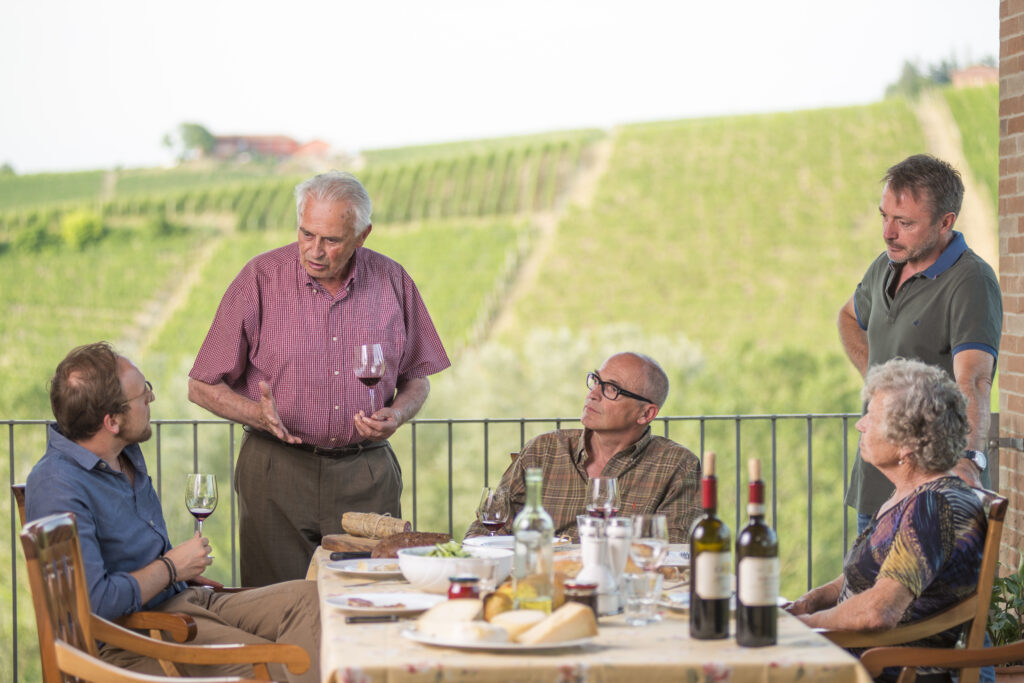
In 1796, Benedetto Elia purchased a small plot of vines in the Bricco di Neive. A few years later, after purchasing a number of contiguous parcels, he bought a nearby underground cellar. The Elia’s were private bankers owning a small bank on the border between Neive and Castagnole facilitating transactions between the two provinces. The Pasquero family, from Spanish military ancestry, served the Royal House, managing and vinifying hectares in Vezza d’Alba. On Oct. 13, 1943, Italy declared war on Nazi Germany. However, German forces soon took control of northern and central Italy shortly after. Soon after, Mussolini, having escaped with the help of German paratroopers, established a puppet state to administer the German-occupied territory. The oppression of Italian Jews had begun in 1938 with the enactment of racial laws of segregation. Between 1943 and 1945, under Nazi occupation, Jews in Italy faced persecution, deportation, and murder. As a result of this, the family Pasquero-Elia, their members having since married, lost their bank, their reputation and their livelihood. The family made no wine at the estate between 1938 and 1945, the family sold their properties to pay staff while the men were at war. Today brothers Giovanni and Silvano Pasquero-Elia manage the Paitin estate with their father, Secondo, Giovanni’s son Luca and Elisa. The family farm 18 hectares, 13 of which are Nebbiolo, and have recently, for the first time in 125 years, purchased new vineyard sites in Basarin and Faset.